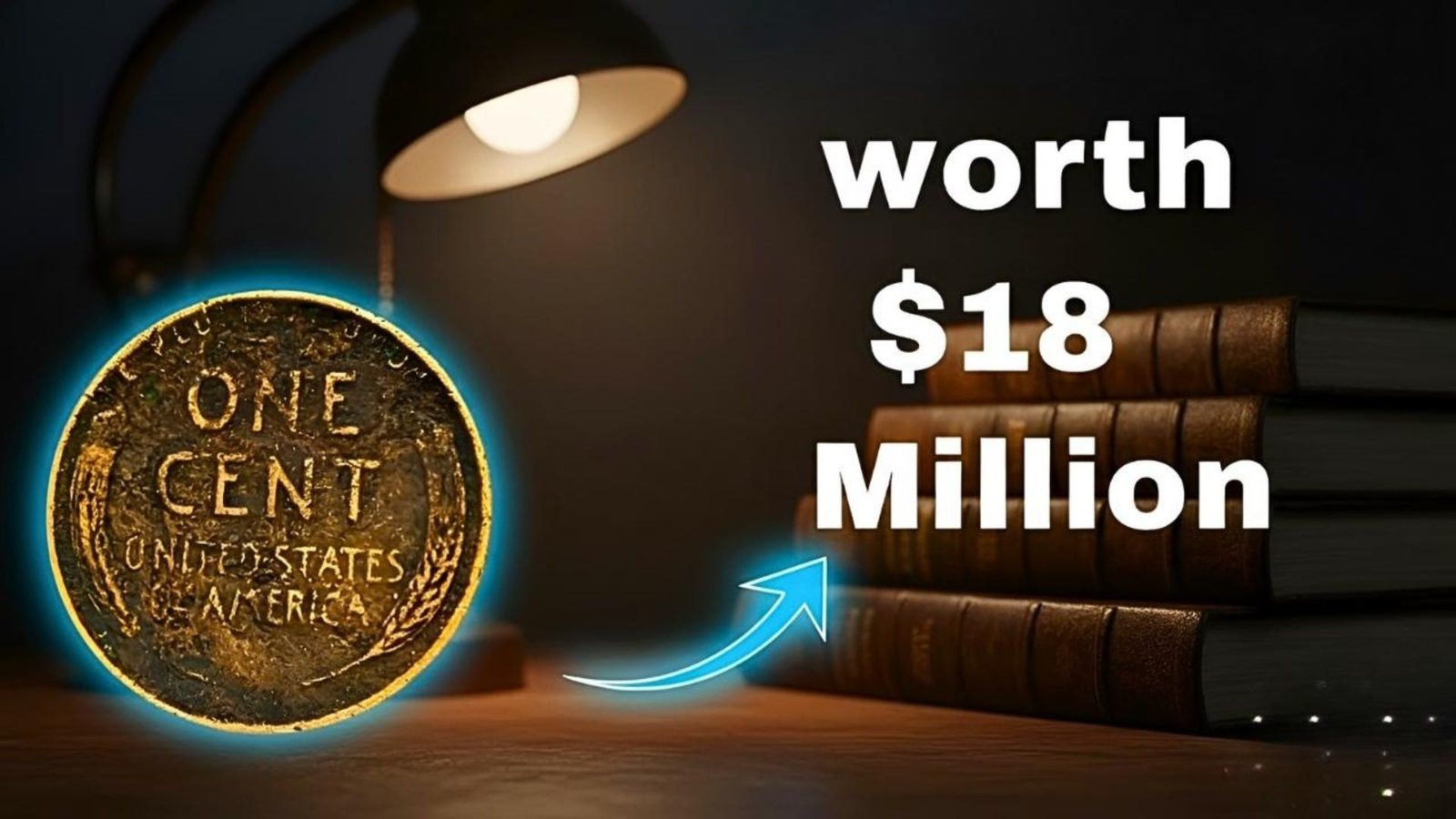
Imagine pulling a dusty jar from your attic, only to discover a handful of wheat pennies sparkling with untapped potential—each one a tiny portal to American history and hidden wealth. Minted from 1909 to 1958, these Lincoln wheat cents feature Abraham Lincoln’s profile and iconic wheat stalks, symbolizing prosperity during eras of war and boom. Over the last 12 years (2013–2025), wheat penny values have surged 20–50% for common dates, driven by online auctions, YouTube hunts, and nostalgia amid penny phase-out talks. For collectors, this isn’t just spare change; it’s a thrilling investment where a circulated 1940s cent might fetch $1–$5 today, up from mere cents in 2013. Dive into this wheat penny collector’s guide to track the wheat penny value history, spot rarities, and build your set smartly.
What Makes Wheat Pennies So Valuable?
Wheat penny values hinge on rarity, condition, and errors—turning everyday finds into auction stars. From stable prices in the early 2010s to a pandemic-fueled boom around 2020, the market has matured with grading services like PCGS and NGC boosting premiums by 30–100%. Copper’s intrinsic worth (95% composition pre-1982) adds a floor value, but key dates like the 1909-S VDB have tripled since 2013, hitting $1,700+ for brown examples. Collectors chase “red” uncirculated gems for top dollar, while errors like doubled dies command premiums. In 2025, with billions minted yet rarities scarce, these coins blend affordability for beginners and high-stakes thrills for pros.
Key Factors Driving 12-Year Value Trends
The wheat penny value history from 2013 to 2025 reflects economic shifts and hobby growth. Early years saw steady demand for key dates amid online marketplaces’ rise; by 2020, lockdowns sparked roll-hunting frenzies, lifting circulated commons 20–50%. Post-2023, values stabilized for everyday pieces but soared for certified rarities, with MS-66+ examples up 6.8% yearly. Mint marks (no mark for Philly, D for Denver, S for San Francisco) amplify scarcity—S-mints often double Philly values. Condition reigns supreme: A Good-4 common might stay at $0.25, but an MS-65 red jumps from $10 in 2013 to $50+ now. Social media and scarcity fears have cemented wheat pennies as must-haves.
Average Value Trends for Common Wheat Pennies
| Year Range | Circulated Value (G-4 to VF-20) | Uncirculated Value (MS-60 to MS-65 Red) |
|---|---|---|
| 2013–2015 | $0.10–$0.50 | $5–$15 |
| 2016–2020 | $0.25–$1.00 | $10–$30 |
| 2021–2025 | $0.50–$2.00 | $15–$50+ |
Spotlight on Rare Wheat Pennies and Key Dates
Hunt for these standouts in your collection—their wheat penny values have skyrocketed over 12 years. The 1909-S VDB, with Brenner’s initials, leaped from $1,000 (circulated) in 2013 to $2,000+ today. The elusive 1914-D, low-mintage Denver issue, now fetches $300–$500 in Fine grade, up 100% since mid-decade. Wartime oddities like the 1943 bronze (struck in copper by mistake) hit $1.75 million at auction, while 1944 steel errors reach $35,000–$175,000. Doubled-die varieties, such as the 1955 error, command $2,000+ for mid-grades. In 2025, these keys embody the series’ allure: history meets high returns.
Top Key Dates and Their 2025 Values
| Key Date/Variety | 2013 Avg. Value (Circ/MS) | 2025 Avg. Value (Circ/MS) |
|---|---|---|
| 1909-S VDB | $800/$5,000 | $1,500/$20,000+ |
| 1914-D | $200/$2,000 | $400/$10,000 |
| 1922 No D | $500/$3,000 | $1,000/$15,000 |
| 1931-S | $60/$500 | $150/$2,500 |
| 1943 Bronze | $10,000/$100,000 | $50,000/$1M+ |
How to Start or Grow Your Wheat Penny Collection
Building a set is accessible—start with affordable 1940s commons at $1–$2 each, then chase keys via eBay or shows. Use a loupe to spot mint marks under the date and errors like doubled lettering. Get uncertified coins appraised at local shops; for valuables over $100, submit to PCGS/NGC for slabs that lock in premiums. Store in albums away from air exposure to preserve red toning. Track trends on USA Coin Book or NGC for updates—values fluctuate with auctions. Pro tip: Focus on one mint per decade for a themed, budget-friendly build.
Why Collect Wheat Pennies in 2025?
Beyond bucks, wheat pennies connect you to Lincoln’s legacy and U.S. resilience—from WWI to postwar booms. With the penny’s 2026 sunset looming, demand spikes, making now prime for entry. Commons offer low-risk fun; rarities, portfolio diversification. In 12 years, they’ve outpaced inflation, turning hobbies into nest eggs—imagine your $50 set from 2013 now worth $200+.
FAQs – Wheat Penny Value History
- Have wheat penny values really doubled in 12 years? Yes—commons up 20–50%, keys like 1914-D tripled due to collector influx.
- What’s a common wheat penny worth in 2025? Circulated: $0.50–$2; uncirculated red: $15–$50, per PCGS guides.
- How do I spot a rare wheat penny key date? Look for low-mintage S/D marks or errors; use apps like CoinSnap for quick ID.
- Should I grade my wheat pennies? Absolutely for $100+ pieces—PCGS/NGC certification boosts resale by 30–100%.
- Are steel wheat pennies from 1943 valuable? Common steel: $0.25–$3; rare bronze errors: $50,000–$1M+ in top grades.
Conclusion
The wheat penny value history over the last 12 years paints a story of steady ascent—from overlooked change to collector gold, with commons climbing to $2 and keys shattering records at $1M+. As 2025 wraps a transformative era, these coins invite everyone—from jar divers to investors—to unearth history’s sparkle. Grab your magnifier, consult PCGS/NGC guides, and start hunting; your next find could rewrite your collection’s fortunes. Happy collecting—the wheat fields of numismatics await.